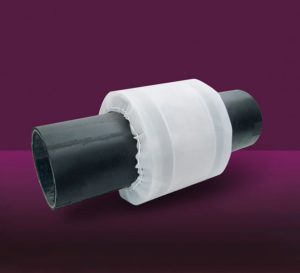
Pipe Repair products offer a fast, safe way to seal splits, holes, and corroded sections instantly – often under full system pressure – avoiding the need for expensive and time-consuming network shutdowns.
Absorbing Movement And Vibration In Piping Systems
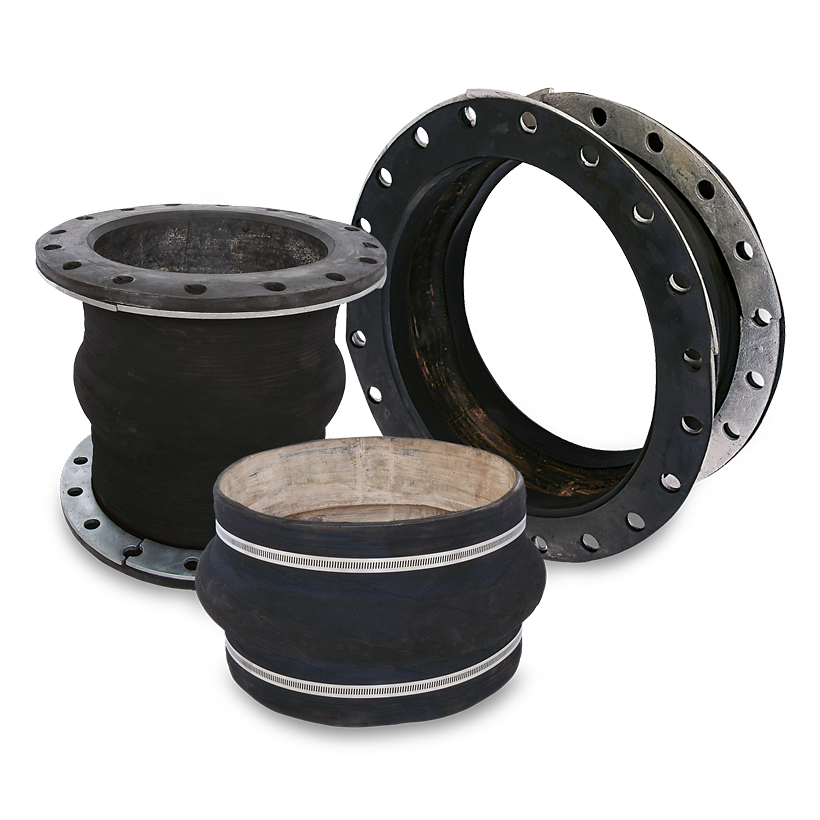
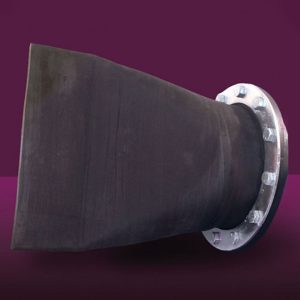
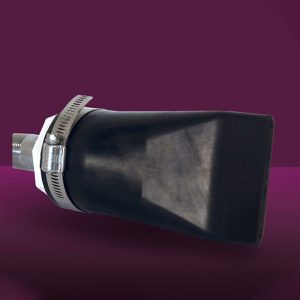
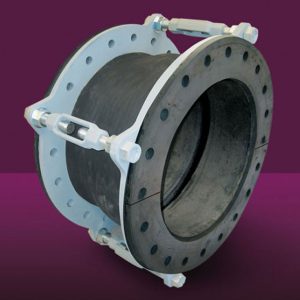
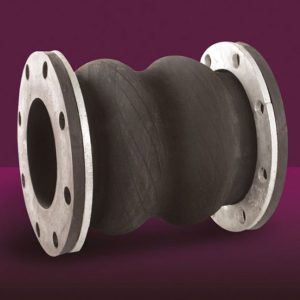
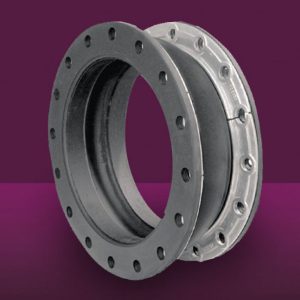
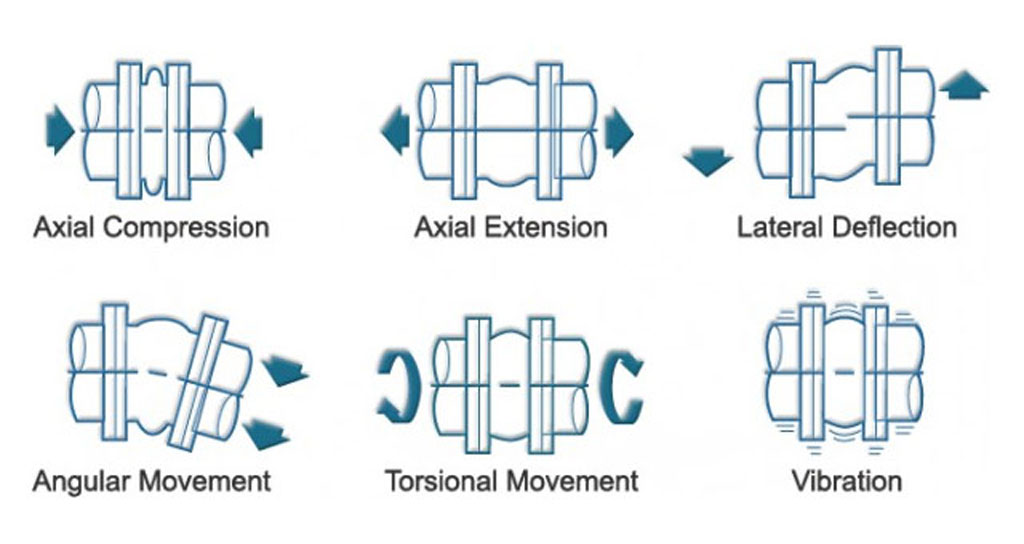
PosiFlex expansion joints are flexible connectors designed to relieve stress within piping systems caused by thermal expansion, mechanical vibration, and movement. By absorbing axial, lateral, angular, and torsional movement, they help prevent damage to pipework, equipment, and connected infrastructure. They are also effective in reducing noise and vibration, particularly in systems with pumps, compressors, or fluid turbulence.
These joints feature a full-bore design, ensuring no restriction to flow and minimising turbulence, which improves system efficiency. Their ability to handle multi-dimensional movement makes them particularly versatile compared to rigid connections. In addition, they offer benefits such as corrosion and erosion resistance, shock absorption, and durability against repeated movement without embrittlement.
From an operational perspective, PosiFlex expansion joints simplify installation, require minimal maintenance, and provide long-term reliability. Their compact dimensions and ease of fitting make them suitable for both new installations and retrofit applications. Economically, they reduce lifecycle costs by protecting critical assets like valves, pumps, and meters from stress-related failure.
In broad terms, Posiflex is used in infrastructure such as pumping stations, water treatment facilities, gas distribution systems, and plant rooms, highlighting their versatility across both industrial and building services applications.
Power
In the power industry, they are applied in nuclear and fossil fuel power plants to accommodate thermal expansion and contraction in large-diameter pipework, including condenser and cooling water systems. Their ability to handle significant movement and high operating demands makes them particularly valuable in this sector.
Flue-Gas Desulphurisation
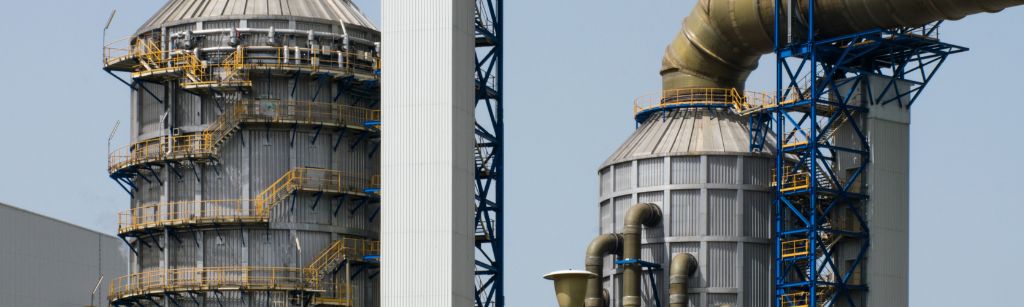
In flue-gas desulphurisation systems, filled arch designs are used within air purification processes, particularly in sulphur dioxide recovery and fly-ash handling systems, where chemical resistance and durability are critical.
Process Industries
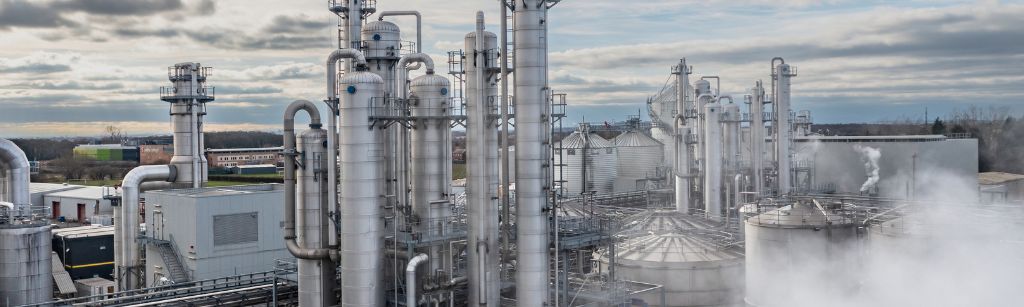
For process industries, including chemical processing, paper and pulp, metal refining, and petroleum operations, expansion joints control vibration and stress in pipelines carrying corrosive chemicals, abrasive slurries, or pneumatic materials. They also protect mechanical equipment such as pumps, valves, and chillers from thermal and mechanical strain.
Water & Waste Water Treatment
Within water and wastewater treatment, they are used extensively on sludge pumps, sewage lines, aeration systems, and odour control ducting. Their resistance to aggressive media and ability to handle movement make them essential in maintaining system integrity.
Marine
In the marine sector, PosiFlex joints are well suited to shipboard piping systems, where resistance to seawater corrosion and the ability to handle constant motion are critical.
HVAC & Building Services
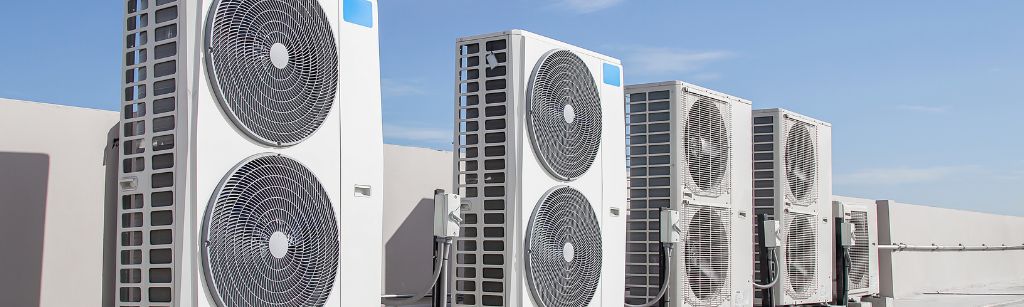
Finally, in HVAC and building services, they play a key role in noise and vibration isolation. Installed in plant rooms and piping systems connected to chillers, compressors, and cooling towers, they help maintain comfortable and compliant indoor environments by reducing transmitted mechanical noise.
Projects
Proven Performance in Movement and Vibration Control
Lorem ipsum dolor sit amet, consectetur adipiscing elit, sed do eiusmod tempor incididunt ut labore et dolore magna aliqua. Ut enim ad minim veniam, quis nostrud exercitation ullamco laboris nisi ut aliquip ex ea commodo consequat.
Project:
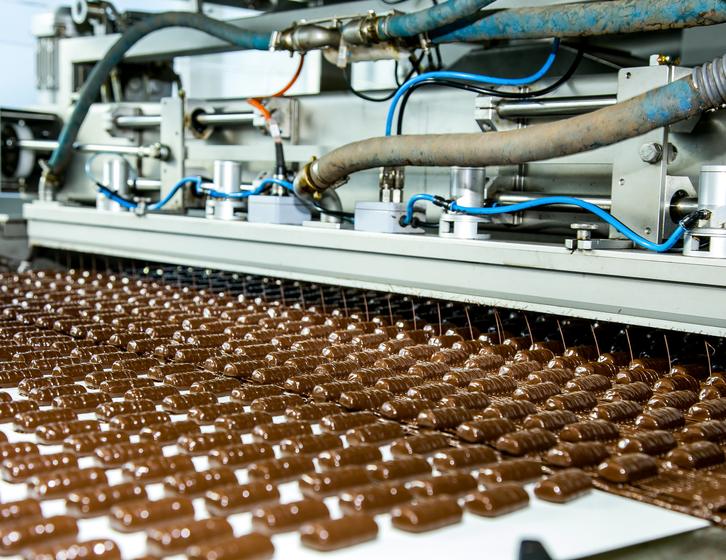
Expansion Joints – Mars INC Factory – Slough
MARS’ Slough chocolate factory has relied on Posiflex Expansion Joints in its cooling systems since the early 1980s, some still in service after 30 years.
PosiFlex expansion joints are manufactured from a wide range of elastomers and reinforcement materials to suit different operating conditions and media. Material selection is critical to ensure chemical compatibility, temperature resistance, and durability.
Elastomers form the core of the joint and are chosen based on the application:
EPDM
EPDM offers excellent resistance to water, steam, weathering, ozone, and sunlight, making it ideal for outdoor and potable water applications, though it is unsuitable for petroleum oils.
Neoprene
Neoprene provides resistance to acids, alkalis, and oils, along with flame retardancy and good weather resistance, making it suitable for general industrial use.
Chlorobutyl
Chlorobutyl delivers low permeability and strong resistance to heat, chemicals, and ozone, with higher temperature capability.
Buna-N (Nitrile)
Buna-N (Nitrile) is well suited for oil and hydrocarbon applications due to its resistance to greases and solvents.
Natural (Pure Gum) Rubber
Natural (Pure Gum) Rubber offers high elasticity and abrasion resistance, making it suitable for applications involving wear and tear.
FDA-approved elastomers
FDA-approved elastomers are available for food, beverage, pharmaceutical, and potable water applications, ensuring compliance with hygiene standards.
Viton®
Viton® provides superior resistance to aggressive chemicals, solvents, and high temperatures, making it ideal for demanding chemical processes.
PTFE (Teflon) linings
PTFE (Teflon) linings offer near-universal chemical resistance and are inert to most industrial substances, supporting extreme operating conditions.
Reinforcement materials such as polyester, nylon, tyre cord, Kevlar®, fibreglass, and steel are incorporated to enhance strength, pressure tolerance, and structural integrity. These reinforcements are critical in determining the joint’s performance under pressure and movement.
Temperature capability depends on both the elastomer and reinforcement combination, with operating ranges typically spanning from sub-zero conditions to over 200°C depending on the material selection.
Overall, the flexibility in material combinations allows PosiFlex expansion joints to be tailored precisely to application requirements, ensuring optimal performance, longevity, and safety across a wide range of industries.
Selection is driven by key criteria including size, pressure, movement requirements, conveyed medium, and temperature.
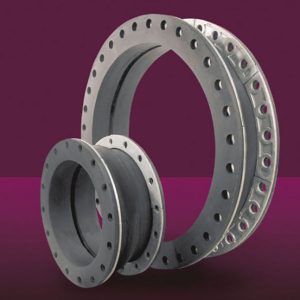
Correct specification of PosiFlex expansion joints is essential to ensure long-term performance and system reliability. A key starting point is size, with joints available from 25mm (1”) nominal bore up to approximately 3600mm (144”), while larger bespoke sizes can be produced on request. Selecting the correct bore, face-to-face length, and flange compatibility ensures seamless integration into existing pipework.
Pressure is a critical design factor and must always be based on the maximum system pressure rather than normal operating conditions. This includes surge and test pressures, as well as the potential for vacuum conditions. The pressure capability of each joint is governed by the strength of its reinforced carcass, particularly around the arch section. Standard pressure ratings are available for each design, but where higher performance is required, custom-engineered solutions can be specified.
In terms of movement, PosiFlex expansion joints are designed to accommodate axial compression and extension, lateral displacement, angular deflection, and torsional movement. The movement capability is influenced by both the size of the joint and the number of arches, with multi-arch designs (up to four arches) offering increased flexibility where greater movement absorption is needed.
The medium being conveyed—whether liquid, gas, or powder—directly impacts material selection. The internal tube must be compatible with the media to prevent degradation, while abrasive applications may require thicker or softer linings to extend service life. External environmental factors, such as exposure to chemicals, oils, UV light, or acid fumes, must also be considered when selecting the outer cover.
Temperature performance is dictated by the chosen elastomer and reinforcement materials, ensuring suitability across a defined operating range. Finally, under the Pressure Equipment Directive (PED) Regulations 1999, PosiFlex expansion joints are classified as pressure accessories and are designed in accordance with sound engineering practices, ensuring compliance, traceability, and safe operation in regulated environments.